Unveiling the Secret Symphony of Flavor: Crafting Unforgettable Dishes
In a world brimming with culinary possibilities, the pursuit of *flavor* remains humanity’s most enduring obsession. From street food stalls to Michelin-starred kitchens, the essence of a dish lies not merely in its ingredients but in the alchemy of taste that transforms simple components into unforgettable experiences. Whether it’s the tang of citrus cutting through richness, the smoky undertones of grilled meat, or the delicate balance of sweet and savory, flavor is the invisible thread weaving together culture, memory, and joy.
This exploration delves into the art and science of crafting *flavorful dishes*, uncovering secrets hidden in traditional techniques, unexpected pairings, and the chemistry that makes our palates sing. Through this journey, you’ll discover how to elevate everyday meals into masterpieces worthy of celebration.
The Alchemy of Taste: Understanding Flavor Fundamentals
Flavor begins long before the first bite—it starts with the intricate dance of molecules interacting with our senses. Our tongues detect five primary tastes: salty, sour, bitter, sweet, and umami. However, true flavor emerges when these basic notes harmonize with aroma, texture, temperature, and even sound. A perfectly seared steak, for instance, isn’t just rich in fat and protein; its charred crust releases volatile compounds that trigger olfactory receptors, amplifying its depth beyond mere taste.
Umami, often dubbed the “fifth taste,” plays a pivotal role in creating complex, satisfying dishes. Found in aged cheeses, mushrooms, tomatoes, and fermented products like soy sauce, umami provides a savory backbone that lingers on the palate. This element is especially vital in Asian cuisine, where dashi broth—a blend of kelp and bonito flakes—forms the foundation of countless soups, stews, and sauces.
- Salt: Enhances other flavors while balancing acidity and bitterness. Used judiciously, it elevates sweetness and deepens umami without overpowering.
- Acid: Brightens and cleanses, preventing dishes from feeling heavy. Lemon juice, vinegar, and yogurt are staples for adding vibrancy.
- Sweetness: Anchors bold flavors and tempers heat or spiciness. Natural sources like honey, maple syrup, or fruit provide nuanced layers.
- Bitterness: Adds contrast and sophistication. Dark chocolate, coffee, and leafy greens contribute earthy, complex notes.
- Umami: Offers depth and satisfaction. Broth-based stocks, dried shiitake mushrooms, and Parmesan cheese amplify savory richness.
Cultural Cornucopia: Flavors Rooted in Tradition
Every culture boasts signature dishes defined by their distinctive flavor profiles, shaped by geography, history, and available resources. Mexican cuisine, for example, thrives on the interplay of chili peppers, cumin, and lime, while Indian cooking relies heavily on garam masala, tamarind, and coconut milk to achieve aromatic intensity. These traditions aren’t static—they evolve, yet retain core principles that define their identity.
Taking a closer look, Japanese ramen exemplifies precision in seasoning. The broth, whether tonkotsu (rich pork bone) or shoyu (soy sauce), is meticulously balanced with kansui (alkaline water) to achieve chewy noodles and a silken texture. Similarly, Italian pasta dishes rely on simplicity, letting high-quality olive oil, garlic, and fresh basil shine without distraction. Such approaches underscore the philosophy that less can indeed be more when crafting deeply flavorful meals.
The Role of Fermentation in Global Cuisines
Fermented foods are cornerstones of many flavorful diets, offering probiotic benefits alongside intensified taste. Korean kimchi, for instance, undergoes lactofermentation, producing a pungent, tangy condiment prized for its health properties and versatility. In Scandinavia, pickled herring and fermented cabbage (surströmming) showcase how preservation techniques enhance flavor over time. Studies suggest that fermented foods may boost gut microbiota diversity, linking digestion to overall wellness—an added bonus for discerning eaters.
Even desserts benefit from fermentation. Belgian beer-soaked cakes and French brioche owe their airy textures to yeast activity during rising processes. Meanwhile, Ethiopian injera, a spongy flatbread made from teff flour, ferments naturally, contributing a subtle tartness that complements spicy stews like doro wat. These examples reveal how fermentation isn’t merely a method of preservation but a transformative force in flavor creation.
Mastery Through Technique: Cooking Methods That Amplify Flavor
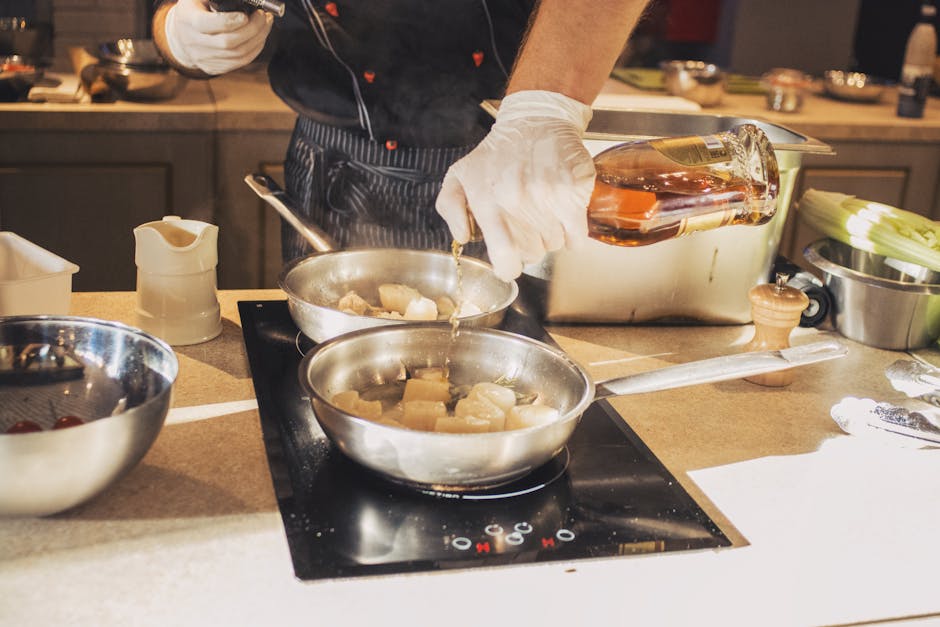
Cooking techniques act as silent collaborators in flavor enhancement, shaping how ingredients release their essences. Grilling imparts caramelization through Maillard reactions, yielding roasted meats and vegetables with crispy exteriors and juicy interiors. Sautéing allows quick infusion of aromatics like onions and garlic, building foundational layers in sauces and stir-fries alike.
Roasting brings out natural sugars in root vegetables, nuts, and proteins, intensifying their inherent sweetness. Conversely, steaming preserves moisture and nutrients, ideal for tender fish or leafy greens requiring gentle treatment. Braising combines slow-cooking in liquid to soften tough cuts of meat, infusing them with herbs, wine, or stock. Each approach offers unique opportunities to manipulate flavor, depending on the dish’s goal.
Pairing Perfection: How Ingredients Complement One Another
Successful flavor comes down to harmony—how individual elements complement rather than compete. Sweet and salty pairings, such as prosciutto-wrapped melon or dark chocolate with sea salt, exploit contrasting sensations to
Elevating Everyday Meals With Creative Twists
Transform routine fare into gourmet affairs by reimagining familiar recipes through inventive lens. Instead of plain chicken breast, try marinating in coconut milk infused with lemongrass and galangal then grilling until crispy skin forms. Replace conventional pizza toppings with pesto, sun-dried tomatoes, and arugula for Mediterranean flair atop thin crust bases.
Infuse beverages with edible flowers like lavender or rose petals to introduce floral nuances typically reserved for fine dining establishments. Incorporate unexpected elements such as blueberries in risotto or pineapple chunks in tacos to spark curiosity among diners accustomed predictable combinations. Embracing playfulness opens doors toward discovering novel flavor dimensions previously unexplored.
The Psychology Behind Appetite & Memory Associations
Emotional connections profoundly influence perceptions regarding food preferences. Childhood memories associated with comfort meals shape lifelong associations, often triggering nostalgia whenever similar scents waft through air. Research indicates that familiar smells activate limbic system regions tied to emotion regulation, reinforcing positive reinforcement loops during consumption rituals.
Variations in presentation further affect enjoyment levels despite identical nutritional compositions. Color psychology suggests red stimulates hunger whereas green promotes satiation cues. Presentation styles vary culturally too—with Western plating emphasizing symmetry against East Asian aesthetics favoring asymmetry and negative space utilization. Mindfully designing visual appeal enhances sensory experience holistically beyond purely gustatory aspects alone.
Conclusion
Mastering the craft of flavorful dishes requires both scientific understanding and creative intuition. By embracing fundamental principles governing taste perception while daring to experiment with unconventional pairings, anyone can elevate humble ingredients into remarkable creations. Remember that every meal presents opportunity—not just nourishment but potential transformation of self-expression through culinary arts.
Whether reviving ancestral recipes passed down generations or innovating avant-garde fusion plates, let curiosity guide your kitchen adventures. After all, true mastery lies not solely in replicating perfection but rather in cultivating personal style rooted firmly within universal truths surrounding flavor itself—the ultimate language spoken fluently across borders, ages, and cultures alike.

news is a contributor at TasteStop.com. We are committed to providing well-researched, accurate, and valuable content to our readers.